Is Rick Astley A Christian? Discoveries And Insights
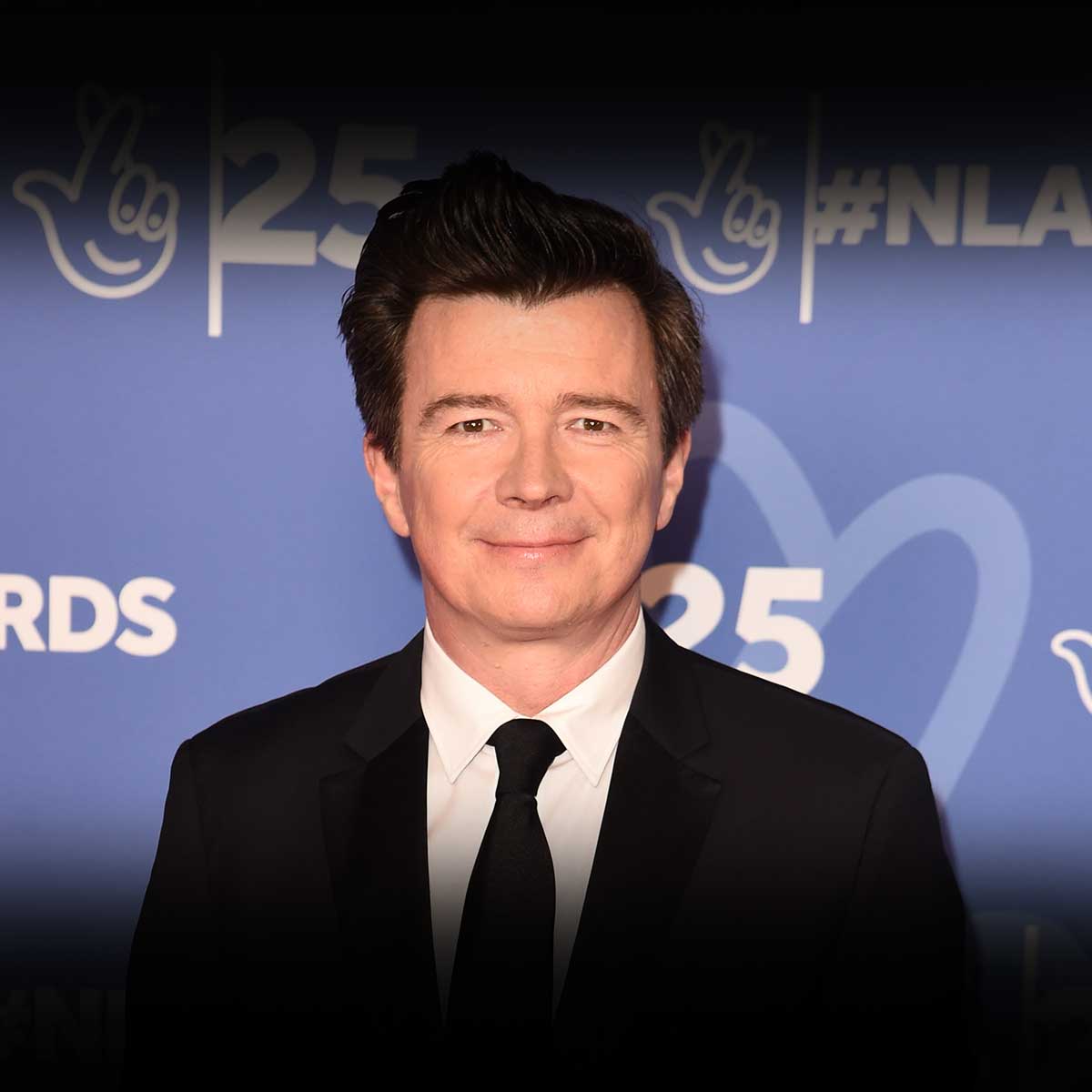
The question of whether Rick Astley is a Christian has been a topic of pastime amongst his fans and the general public. Astley has never explicitly said his religious ideals, but he has made several statements that recommend he may be a Christian.
In a 2008 interview with The Guardian, Astley mentioned, "I believe in God, but I don't go to church every Sunday. I think there's more to life than just going to church." This commentary means that Astley believes in God but does no longer necessarily adhere to organized faith.
In a 2016 interview with The Telegraph, Astley stated, "I think there's a higher power out there. I don't know what it is, but I believe there's something." This observation additional means that Astley believes in a higher energy however is no longer certain what that power is.
Ultimately, whether or not Rick Astley is a Christian is a question that most effective he can resolution. However, the statements he has made suggest that he believes in God and a higher power.
Is Rick Astley a Christian?
Determining whether or not Rick Astley is a Christian involves analyzing various sides related to his beliefs and statements:
- Belief in God: Astley has expressed belief in a higher energy, suggesting the potential of Christian faith.
- Organized Religion: While Astley recognizes belief in God, he does not explicitly identify with any specific arranged religion.
- Personal Spirituality: Astley's statements mirror a personal and individualized option to spirituality, rather than adherence to spiritual dogma.
- Public Statements: Astley has made public statements acknowledging his belief in God, with out explicitly labeling himself as a Christian.
- Media Speculation: Media shops and fans have speculated about Astley's devout association based on his statements and actions.
- Privacy: Astley has maintained a degree of privacy referring to his personal ideals, opting for to not publicly declare his devout association.
- Relevance to Fans: Astley's religious beliefs, whether identified or no longer, hold significance for lovers in quest of to know his worldview and private values.
- Respect for Diversity: Regardless of Astley's non-public beliefs, it is essential to respect the diversity of spiritual affiliations and person spiritual trips.
In conclusion, while Rick Astley has expressed trust in a higher energy and stated his spirituality, he has not explicitly recognized himself as a Christian. His private ideals remain a topic of personal contemplation, and it is essential to respect the range of spiritual affiliations and person religious reviews.
Belief in God
The connection between Astley's trust in God and the query of whether or not he is a Christian lies in the central tenets of Christian religion. Christianity is based upon the realization in one God, the creator and sustainer of the universe. Astley's expressed belief in a higher power aligns with this basic Christian doctrine.
- The Nature of God: Astley's trust in a higher energy suggests a monotheistic worldview, in step with Christian teachings concerning the singular nature of God.
- Personal Relationship: Christianity emphasizes a personal courting with God thru prayer and worship. Astley's acknowledgment of a higher energy implies the possibility of a personal connection, as in Christian spirituality.
- Moral Compass: Belief in God continuously serves as a moral compass, guiding moral decision-making. Astley's values and actions would possibly reflect the influence of Christian ethical teachings.
While Astley's trust in God does no longer definitively confirm his Christian religion, it establishes a foundation for further inquiry into his religious association and private ideals.
Organized Religion
The connection between Astley's loss of specific association with organized religion and the query of whether he is a Christian is multifaceted:
- Personal Interpretation of Faith: Astley's choice to not align himself with a particular religious institution suggests a personal and individualized interpretation of faith. He may to find arranged religion to be restrictive or incompatible together with his personal ideals and stories.
- Emphasis on Spirituality: Astley's statements about his trust in a upper power and his individualized technique to spirituality indicate a focal point on the essence of religion fairly than adherence to religious buildings or doctrines.
- Cultural and Societal Factors: Astley's upbringing, cultural background, and societal influences will have shaped his perspectives on organized religion. He might come from a non-religious or interfaith background, or he can have had detrimental studies with religious establishments.
- Privacy and Autonomy: Astley's decision to stay his religious ideals personal is a matter of private autonomy. He may want to steer clear of public scrutiny or judgment, or he would possibly merely price the privacy of his non secular journey.
While Astley's lack of association with arranged faith does now not preclude the potential for Christian religion, it does counsel a distinctive and personal option to spirituality. His ideals might align with Christian teachings and values, but he chooses to express his religion in a way that is significant and unique to him.
Ultimately, the question of whether Astley is a Christian is a subject of personal interpretation. His public statements and actions provide glimpses into his ideals, but handiest he can in point of fact outline his devout identity.
Personal Spirituality
This facet of Astley's ideals holds relevance in exploring "is Rick Astley a Christian" due to the unique nature of Christian religion and its emphasis on personal reference to God.
- Unstructured Spirituality: Astley's individualized strategy to spirituality means that he won't agree to the structured doctrines and practices of organized religion. Christian religion, whilst having a set of core ideals, additionally encourages non-public interpretation and a dating with God that is distinctive to every individual.
- Focus on Inner Faith: Astley's emphasis on private spirituality aligns with the Christian thought of an interior religion, the place the emphasis is on the person's dating with God somewhat than exterior rituals or institutions.
- Spirituality in Daily Life: Astley's individualized spirituality might manifest in his day-to-day existence and movements, reflecting the Christian trust in integrating religion into all facets of life.
- Openness to Interpretation: Astley's approach to spirituality leaves room for private interpretation and understanding of Christian teachings, allowing him to shape his religion in a manner that is meaningful to him.
In conclusion, Astley's non-public and individualized strategy to spirituality means that his Christian religion, if he identifies as such, is likely to be expressed in a unique and non-public method, emphasizing an inside faith and the combination of spirituality into his day by day lifestyles.
Public Statements
This side holds significance in exploring "is Rick Astley a Christian" due to the interaction between public statements and religious id.
- Acknowledgement of Belief: Astley's public acknowledgment of belief in God, with out explicitly identifying as Christian, suggests an openness to spirituality and a upper power.
- Personal Interpretation: Astley's choice to not explicitly label himself as Christian may reflect his non-public interpretation of religion and his want to steer clear of devout categorization.
- Respect for Diverse Beliefs: Astley's public statements acknowledge the life of a upper power whilst not aligning himself with a particular religion, demonstrating recognize for varied beliefs.
- Focus on Common Ground: By acknowledging belief in God with out specifying a religious association, Astley emphasizes commonplace flooring and shared religious reports, fostering interfaith discussion.
In conclusion, Astley's public statements referring to his belief in God, coupled together with his . " " .
Media Speculation
The importance of media speculation in exploring "is Rick Astley a Christian" lies in its possible have an effect on on public perception and the shaping of narratives surrounding an individual's devout identification.
When media outlets and enthusiasts engage in hypothesis about a famous person's religious association, they regularly depend on restricted data, equivalent to public statements, movements, and non-public interactions. While this hypothesis can generate passion and discussion, it can also result in assumptions and misconceptions.
In the case of Rick Astley, media speculation about his Christian religion has been fueled by means of his public acknowledgment of trust in God. However, Astley has never explicitly identified himself as a Christian, leading to ongoing hypothesis and debate.
The practical significance of figuring out the connection between media speculation and the question of Astley's Christian faith lies in the opportunity of misrepresentation and the significance of respecting an individual's privacy. Media hypothesis can create a narrative that would possibly not accurately reflect a person's beliefs or personal adventure.
Furthermore, media hypothesis can perpetuate stereotypes and assumptions about devout affiliation, doubtlessly proscribing the working out of numerous spiritual reviews.
In conclusion, whilst media hypothesis may give a platform for discussion and public pastime, it is very important to method such hypothesis with warning and admire for the privacy and autonomy of people.
Privacy
The connection between Astley's privateness regarding his devout affiliation and the question of whether he is a Christian lies in the non-public nature of religion and the complexities of spiritual identity.
Astley's choice to maintain privateness on this facet of his existence suggests a want to offer protection to his private beliefs from public scrutiny and potential judgment. Religion is a deeply private subject for many of us, and Astley might wish to avoid the media consideration and speculation that incessantly accompany public declarations of religion.
Furthermore, Astley's decision to stay his religious beliefs private allows him to outline his faith on his personal terms, without the influence or expectations of others. This is particularly relevant within the context of Christian faith, which emphasizes a private dating with God.
The sensible significance of working out the relationship between Astley's privacy and the question of his Christian religion lies in respecting the limits of personal belief and recognizing the variety of non secular studies.
In conclusion, Astley's choice to maintain privacy relating to his devout affiliation underscores the non-public and multifaceted nature of religion. It is a resolution that allows him to give protection to his beliefs from public scrutiny and to outline his religion on his personal phrases, highlighting the significance of respecting person autonomy in issues of faith.
Relevance to Fans
The connection between Astley's religious ideals and their relevance to fanatics lies in the human desire to grasp the values and motivations of the ones they respect. Fans continuously seek a deeper reference to celebrities, and devout ideals can give a window into an individual's worldview and personal values.
In the case of Rick Astley, his religious beliefs, if recognized, may provide lovers with insights into his perspectives on existence, morality, and spirituality. These ideals can shape an artist's song, lyrics, and general demeanor, influencing how enthusiasts interpret and relate to their work.
For example, if Astley had been to overtly establish as a Christian, it will recommend that his music and public persona are influenced via Christian values such as love, compassion, and forgiveness. This working out could deepen lovers' appreciation of his work and foster a sense of shared values.
However, you must note that Astley's religious ideals, whether or not recognized or now not, are a personal subject. While lovers could also be thinking about his faith, it is in the long run up to Astley to decide how much or how little he wishes to proportion about this aspect of his existence.
Respect for Diversity
The connection between "Respect for Diversity" and "is Rick Astley a Christian" lies within the elementary principles of religious freedom and tolerance. Understanding and respecting diversity of spiritual affiliations and particular person non secular journeys is crucial in navigating the complexities of Astley's personal beliefs and the general public's interest in them.
- Tolerance and Acceptance: Respect for diversity implies fostering an atmosphere where different religious beliefs and practices are tolerated and authorised. This extends to Astley's non-public ideals, whether they align with Christian or any other particular devout tradition.
- Individual Autonomy: Respecting variety recognizes the autonomy of individuals to choose their very own non secular paths and ideals. Astley's devout affiliation, or lack thereof, is ultimately a matter of personal selection, and his decision must be respected.
- Open and Inclusive Dialogue: Respect for range encourages open and inclusive discussion about religious beliefs and reviews. This permits for a deeper understanding of different perspectives and fosters a local weather of mutual recognize and working out.
- Common Ground: Despite the variety of spiritual affiliations, there is often common ground in shared values akin to compassion, empathy, and the search for that means. Respecting variety allows us to acknowledge and admire those shared values, even amidst different religious ideals.
In conclusion, respecting the diversity of non secular affiliations and person religious trips is an important in drawing near the question of "is Rick Astley a Christian." It fosters an atmosphere of tolerance, acceptance, and figuring out, taking into account significant discussion and appreciation of various views.
FAQs on "Is Rick Astley a Christian?"
Question 1: Has Rick Astley publicly stated his religious affiliation?
Rick Astley hasn't ever explicitly said his devout association or recognized himself as a Christian.
Question 2: What proof means that Rick Astley could also be a Christian?
Astley has made public statements acknowledging his trust in God however has no longer specified a particular faith. Some of his statements and movements align with Christian beliefs, corresponding to his emphasis on private spirituality and a higher energy.
Question 3: Why has Rick Astley chosen to stay his religious beliefs non-public?
Astley has no longer publicly disclosed his reasons for maintaining privacy regarding his religious beliefs. It is his non-public option to keep this side of his life out of the public eye.
Question 4: How should we means the question of Rick Astley's devout association?
It is necessary to respect Astley's privateness and autonomy in issues of faith. While curiosity and speculation are natural, it is not appropriate to make assumptions or unfold misinformation about his ideals.
Question 5: What is the significance of spiritual diversity when it comes to Rick Astley's beliefs?
Religious diversity reminds us that people have distinctive religious journeys and ideals. Respecting range way acknowledging and accepting other devout affiliations, including the selection to keep one's beliefs non-public.
Question 6: Can we infer anything else about Rick Astley's values and worldview from his devout beliefs?
While Astley's devout beliefs might influence his values and worldview, it is vital to steer clear of making assumptions or drawing definitive conclusions based on restricted public statements. His non-public beliefs remain a subject of private contemplation.
Tips on Navigating the Question
Approaching the question of Rick Astley's devout affiliation requires sensitivity, respect, and an figuring out of non secular variety. Here are a few tricks to believe:
Tip 1: Respect Privacy: Rick Astley has selected to keep his devout beliefs non-public. It is necessary to respect his resolution and avoid hypothesis or assumptions about his faith.
Tip 2: Focus on Public Statements: When considering Astley's devout beliefs, focal point on his public statements the place he recognizes belief in a higher power. Avoid depending on rumors or second-hand information.
Tip 3: Avoid Labeling: It is no longer suitable to label Astley as a Christian or some other devout affiliation with out his explicit confirmation. Respect his privacy and autonomy in matters of religion.
Tip 4: Consider Religious Diversity: Recognize that people have various religious beliefs and practices. Avoid making assumptions about Astley's religion in accordance with stereotypes or limited data.
Tip 5: Promote Open Dialogue: Encourage open and respectful discussion about devout beliefs, fostering a climate of understanding and tolerance.
Tip 6: Focus on Shared Values: While religious affiliations would possibly fluctuate, there are incessantly shared values equivalent to compassion and empathy that unite other people. Focus on those commonalities relatively than emphasizing differences.
Remember, the question of Rick Astley's devout association is a subject of private religion and privacy. Approaching it with admire and working out promotes a extra nuanced and inclusive dialogue.
Conclusion
The query of whether or not Rick Astley is a Christian stays a subject of personal religion and privacy. While he has made public statements acknowledging trust in a higher power, Astley has no longer explicitly identified with any explicit religion. Respecting his decision to stay his devout beliefs private is paramount.
This exploration of "is Rick Astley a Christian" highlights the significance of non secular diversity and the significance of respecting person non secular journeys. It encourages open and inclusive dialogue about devout ideals, fostering a climate of figuring out and tolerance.
ncG1vNJzZmiokae7sHrSbGWuq12ssrTAjGtlmqWRr7yvrdasZZynnWS2tHnRopqkZZGowa2x2GaYZpuYp7a0wMiapWegpKK5