Unveiling The True Story Behind "Sarafina!"

Unveiling the Origins of "Sarafina": A True Story or a Captivating Work of Fiction?
The captivating musical "Sarafina!" has resonated with audiences international, prompting the question: is that this story rooted in fact or a figment of the playwright's creativeness? Exploring the origins of this iconic manufacturing unveils a blend of ancient events and creative license.
While "Sarafina!" draws inspiration from the Soweto Uprising of 1976, it's not an immediate portrayal of the ones occasions. The musical weaves together the stories of younger activists who fought towards the oppressive apartheid regime, giving voice to their struggles and aspirations. The characters and their tales, whilst fictionalized, embody the spirit and resolution of the student movement.
Is Sarafina Based on a True Story?
The musical "Sarafina!" draws inspiration from the Soweto Uprising of 1976, but it isn't an immediate portrayal of the ones events. The characters and their tales, whilst fictionalized, include the spirit and determination of the student motion.
- Historical Context: Soweto Uprising of 1976
- Fictionalized Narrative: Characters and stories don't seem to be immediately based on genuine folks
- Artistic License: Creative liberties taken to make stronger the story's impact
- Student Resistance: Depicts the struggle towards apartheid
- Emotional Resonance: Connects with audiences via robust storytelling
- Symbolism and Allegory: Uses artistic gadgets to convey deeper meanings
- Educational Value: Raises awareness about historic occasions
- Cultural Significance: Celebrates the resilience of the human spirit
In conclusion, "Sarafina!" is an impressive work of art that blends ancient components with fictionalized storytelling to discover the issues of resistance, oppression, and the indomitable spirit of adlescent. While now not a right away depiction of the Soweto Uprising, it captures the essence of that pivotal event and continues to resonate with audiences international.
Historical Context
The Soweto Uprising of 1976 serves as the historic backdrop for the musical "Sarafina!" providing a wealthy context for understanding the story's topics and characters.
- Student Protests: The uprising used to be sparked via pupil protests in opposition to the compulsory use of Afrikaans as a medium of instruction in faculties, a logo of apartheid's oppressive language policies.
- Police Brutality: The non violent protests had been met with excessive drive through the police, leading to the deaths of hundreds of scholars and the iconic symbol of Hector Pieterson.
- International Attention: The uprising drew world attention to the brutality of apartheid and become a turning point in the battle for racial equality in South Africa.
While "Sarafina!" does now not depict the Soweto Uprising directly, it captures the spirit of resistance and the determination of the young activists who fought towards apartheid. The musical's characters include the studies and feelings of the pupil protesters, giving voice to their fight and aspirations.
Fictionalized Narrative
While "Sarafina!" attracts inspiration from genuine events and, you will need to note that the characters and tales depicted in the musical aren't without delay in line with genuine folks. This narrative manner permits the playwright to discover broader topics and create a extra impactful story that resonates with audiences on a universal stage.
- Composite Characters: The characters in "Sarafina!" represent composites of various individuals interested by the Soweto Uprising, embodying the studies and struggles of many young activists.
- Symbolic Representation: The characters also serve as symbols, representing the broader topics of resistance, oppression, and the energy of the human spirit.
- Emotional Impact: By fictionalizing the characters and tales, the playwright can create a extra emotionally resonant and tasty narrative that connects with audiences on a private level.
- Artistic License: Fictionalizing the narrative also permits the playwright to take inventive liberties and discover the story's topics in a extra nuanced and imaginative manner.
In conclusion, whilst "Sarafina!" isn't a right away ancient account, its fictionalized narrative lets in the playwright to explore the subject matters of the Soweto Uprising in an impressive and evocative means, creating a story that resonates with audiences worldwide.
Artistic License
In the context of "is Sarafina based on a true story," creative license performs a an important function in improving the story's impact and conveying its message successfully.
Artistic license refers to the creative liberties taken by way of the playwright to adapt real-life events and characters right into a fictional narrative. This lets in for the exploration of broader topics and the introduction of a more compelling and emotionally resonant story.
In the case of "Sarafina!," the playwright makes use of inventive license to:
- Composite Characters: Create composite characters that constitute the reports and struggles of many younger activists concerned with the Soweto Uprising.
- Symbolic Representation: Use characters and events as symbols to convey broader topics of resistance, oppression, and the power of the human spirit.
- Emotional Resonance: Craft a story that connects with audiences on a personal degree, evoking empathy and understanding for the characters' struggles.
By using creative license, the playwright is able to transcend the boundaries of a purely historic account and create a story that speaks to common human experiences and feelings.
Understanding the position of artistic license in "Sarafina!" is essential for appreciating the story's nuanced exploration of ancient occasions and its skill to resonate with audiences worldwide.
Student Resistance
The depiction of scholar resistance in "Sarafina!" is a the most important facet of its connection to the true story of the Soweto Uprising. This resistance paperwork the core of the narrative, as the characters include the experiences and struggles of young activists who fought towards the oppressive apartheid regime.
By showcasing the scholars' determination and resilience in the face of adversity, "Sarafina!" highlights the significance of resistance in the fight for freedom and equality. The musical illustrates how the students' actions, despite the dangers and consequences, played a vital position in elevating consciousness about the brutality of apartheid and provoking international improve for the anti-apartheid movement.
The connection between student resistance and the true story of the Soweto Uprising emphasizes the energy of stripling activism and collective action. It demonstrates that even in the face of seemingly insurmountable demanding situations, resistance and the pursuit of justice can result in transformative change.
Emotional Resonance
In the context of "is Sarafina based on a true story," emotional resonance performs a vital function in connecting the narrative to its historical roots and creating a profound have an effect on on audiences. The musical's skill to rouse sturdy feelings, such as empathy, anger, and hope, stems from its tough storytelling, which draws upon the true reviews of younger activists right through the Soweto Uprising.
By presenting relatable characters and their personal struggles, "Sarafina!" permits audiences to glue on a human level with the broader issues of resistance and oppression. The musical's depiction of the students' braveness, resilience, and resolution resonates with audiences, regardless of their background or private stories.
Moreover, the use of music and dance in "Sarafina!" complements its emotional impact. The robust vocals and lively choreography create an immersive enjoy that transports audiences to the heart of the Soweto Uprising. These creative elements amplify the characters' feelings and produce the depth in their struggle, leaving an enduring impact on viewers.
Understanding the connection between emotional resonance and the true story of "Sarafina" highlights the importance of storytelling in conveying historic occasions and social issues. By tapping into the emotions of its target audience, "Sarafina!" no longer best entertains but additionally educates and evokes, fostering higher empathy and working out of the human enjoy.
Symbolism and Allegory
In the context of "is Sarafina based on a true story," symbolism and allegory play a crucial function in conveying deeper meanings and connecting the narrative to its ancient roots. These creative devices allow the playwright to go beyond the boundaries of a purely factual account and explore the broader themes and feelings surrounding the Soweto Uprising.
- Symbolic Characters: Characters in "Sarafina!" ceaselessly represent broader ideas or ideas. For example, the character of Sarafina herself will also be noticed as a logo of the resilience and determination of the pupil movement as a complete.
- Allegorical Events: Certain occasions in the musical can be interpreted as allegories for real-life occasions or issues. For instance, the scholars' protest march will also be observed as an allegory for the broader battle towards apartheid.
- Metaphorical Language: The playwright uses metaphorical language during the musical to convey deeper meanings. For instance, the music "The Lion Sleeps Tonight" will also be interpreted as a metaphor for the students' desire to awaken the global to the injustices of apartheid.
- Visual Symbolism: Visual parts in the musical, akin to costumes, colours, and lighting fixtures, are regularly used symbolically. For instance, the students' black uniforms can also be observed as an emblem of their cohesion and harmony.
By using symbolism and allegory, "Sarafina!" transcends the barriers of an easy historical account and invitations audiences to have interaction with the deeper meanings and feelings surrounding the Soweto Uprising. These artistic units permit the musical to resonate on a universal level, connecting with audiences irrespective of their non-public reports or wisdom of the explicit occasions depicted.
Educational Value
The connection between "Educational Value: Raises awareness about historical events" and "is Sarafina based on a true story" is vital. "Sarafina!" serves as a formidable instrument to coach audiences about the Soweto Uprising and the broader struggle against apartheid in South Africa.
- Historical Context: "Sarafina!" provides a brilliant portrayal of the events main up to and all over the Soweto Uprising, bringing to existence the reviews of younger activists who fought for their rights.
- Personal Narratives: Through the private tales of the characters, the musical humanizes the fight against apartheid, making it relatable and obtainable to audiences.
- Artistic Expression: The use of song, dance, and symbolism in "Sarafina!" creates an immersive and attractive enjoy that deepens the audience's working out of the historic occasions depicted.
- Global Impact: The musical's international luck has raised awareness about the Soweto Uprising and the broader factor of apartheid, fostering higher understanding and empathy.
By combining ancient accuracy with compelling storytelling, "Sarafina!" now not only entertains but in addition educates, inspiring audiences to learn more about the struggle for freedom and equality in South Africa.
Cultural Significance
The connection between "Cultural Significance: Celebrates the resilience of the human spirit" and "is Sarafina based on a true story" lies in the musical's ability to go beyond its historical roots and resonate with audiences on a common stage. "Sarafina!" celebrates the indomitable spirit of the human spirit in the face of adversity, a theme that resonates across cultures and generations.
- Triumph over Oppression: "Sarafina!" portrays the scholars' combat towards apartheid as a microcosm of the broader human fight in opposition to oppression. Their resilience and backbone inspire audiences to mirror on their very own capacity for overcoming demanding situations.
- Power of Youth: The musical highlights the power of younger other folks to effect change. The students' activism demonstrates that even the ones with out traditional authority could make a vital have an effect on on society.
- Ubuntu: "Sarafina!" embodies the African philosophy of Ubuntu, which emphasizes interconnectedness and compassion. The scholars' team spirit and support for one another illustrate the energy of neighborhood in overcoming adversity.
- Artistic Expression: The musical's use of track, dance, and storytelling supplies a powerful platform for expressing the resilience of the human spirit. The students' songs and dances become symbols in their resistance and their hopes for a better future.
Through its celebration of the human spirit, "Sarafina!" transcends its explicit historic context and becomes a universal story of hope, determination, and the power of cohesion. It reminds audiences that even in the darkest of times, the human spirit has the capacity to triumph.
FAQs
Immerse your self in the fascinating world of "Sarafina!" as we delve into regularly requested questions that light up the true story behind this robust musical.
Question 1: Is "Sarafina!" a true story?
While "Sarafina!" attracts inspiration from the Soweto Uprising of 1976, it is not a direct portrayal of the ones events. The characters and their stories are fictionalized to improve the story's impact and discover broader subject matters of resistance and oppression.
Question 2: What is the ancient context of "Sarafina!"?
The musical is about towards the backdrop of the Soweto Uprising, a pivotal moment in South Africa's battle towards apartheid. The rebellion was once sparked through student protests in opposition to the compulsory use of Afrikaans as the medium of instruction, igniting a wave of resistance and international condemnation of apartheid's oppressive insurance policies.
Question 3: How does "Sarafina!" painting student resistance?
"Sarafina!" depicts the braveness and resolution of younger activists who fought in opposition to the apartheid regime. The musical showcases their non violent protests, the police brutality they faced, and their unwavering trust in the power of training as a catalyst for exchange.
Question 4: What is the importance of music and dance in "Sarafina!"?
Music and dance play an integral function in "Sarafina!," serving as robust tools of expression and resistance. The musical's colourful songs and energetic choreography embody the students' emotions, put across their cultural heritage, and amplify their message of freedom and equality.
Question 5: How does "Sarafina!" resonate with audiences past its historical context?
"Sarafina!" transcends its specific historical roots and connects with audiences on a universal degree. The musical's issues of resistance, oppression, and the energy of the human spirit resonate with folks from all walks of existence, inspiring empathy, figuring out, and a want for social justice.
Question 6: What is the legacy of "Sarafina!"?
"Sarafina!" is still celebrated as a powerful murals that raises awareness about the horrors of apartheid, celebrates the resilience of the human spirit, and inspires audiences to battle for justice and equality.
These FAQs supply a deeper figuring out of the true story that inspired "Sarafina!" and its enduring significance as a testament to the energy of artwork in promoting social exchange.
Proceed to the next phase to discover further facets of this fascinating musical.
Unveiling the Story Behind "Sarafina!"
To totally seize the essence of "Sarafina!" and its connection to the true story of the Soweto Uprising, imagine the following guidelines:
Tip 1: Understand the Historical Context
Familiarize yourself with the events leading as much as and all through the Soweto Uprising. This historic working out complements the musical's importance and the characters' motivations.
Tip 2: Recognize the Fictionalized Narrative
While "Sarafina!" draws inspiration from real occasions, it employs fictionalized characters and tales. This approach permits for broader exploration of subject matters and emotional resonance.
Tip 3: Analyze the Symbolism and Allegory
The musical makes use of symbolism and allegory to convey deeper meanings. Pay consideration to the characters, events, and imagery that represent broader ideas and historical realities.
Tip 4: Appreciate the Emotional Impact
"Sarafina!" is an impressive emotional adventure. Allow your self to be moved by way of the characters' studies, the song, and the message of resistance and hope.
Tip 5: Reflect on the Cultural Significance
Beyond its historical context, "Sarafina!" celebrates the resilience of the human spirit and the energy of harmony. Consider the musical's universal subject matters and its have an effect on on audiences international.
Summary:
By working out the following pointers, you will achieve a deeper appreciation for the artistry and ancient significance of "Sarafina!" Its robust narrative and undying issues proceed to resonate with audiences, reminding us of the struggles for freedom and the indomitable spirit of the human soul.
Conclusion
Our exploration of "is sarafina based on a true story" has printed the intricate courting between the musical and the ancient occasions of the Soweto Uprising. While the narrative is fictionalized, it draws inspiration from the reviews of younger activists who fought in opposition to apartheid.
Through its robust storytelling, symbolism, and emotional resonance, "Sarafina!" transcends its historical roots and turns into a common story of resistance, hope, and the triumph of the human spirit. It serves as a testomony to the energy of art in raising awareness, inspiring empathy, and fostering social change.
Unveil The Secrets Of Early Childhood Education: Insights From Carlie Hoffer
Unveiling The Enigma: PinkPantheress's Elusive Boyfriend
Unveil The Enigma: Chad Chad Real Name Revealed

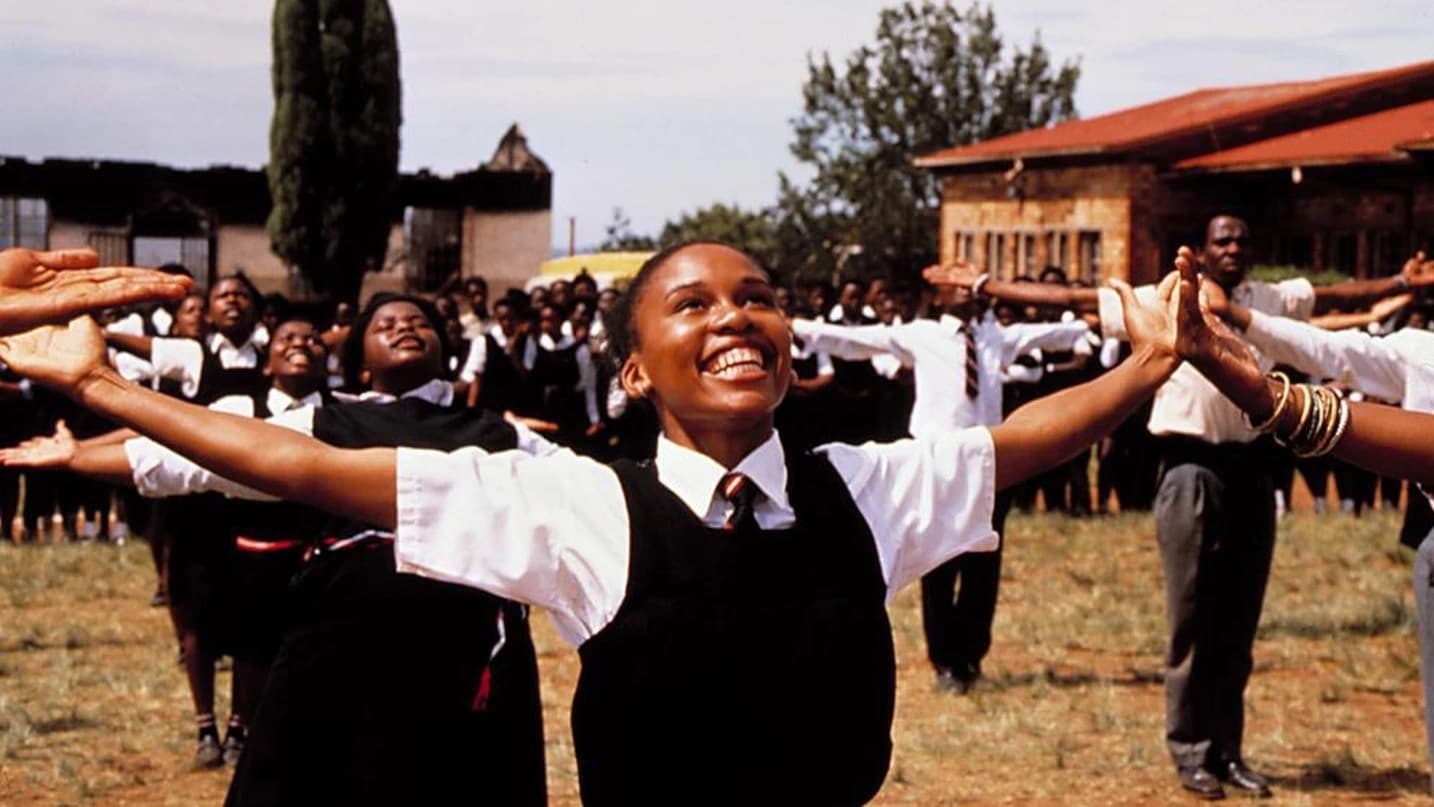
TV with Thinus Sarafina! proven totally free on Youth Day, 16 June, at
Who Played Crocodile In Sarafina Reptilecity

Is Sarafina in keeping with a true story? Is Sarafina in keeping with real lifestyles? ABTC
ncG1vNJzZmirkaW1qr7EZ5imq2NjsaqzyK2YpaeTmq6vv8%2Bamp6rXpi8rnvIrGSsmaKWs6q6wGaZmquVmXqwuoyaZK2qpZp6tMDOq7BnoKSiuQ%3D%3D